

A strong brand film does not begin with a camera. It begins with a useful question: what should the audience understand, feel, or do after watching? I ask that question before I think about lenses, locations, or movement.
As a Dallas commercial director and cinematographer, I have spent 17 years turning complicated messages into visual stories for brands including Hublot, AT&T, and Mercedes-Benz. I also run Kinter Media for larger productions, but my creative process always starts personally: I listen, look for the tension in the story, and decide what deserves to be seen.
I Start With the Problem Behind the Brief
Marketing language often arrives polished but broad. A company may want to appear innovative, trusted, premium, or approachable. Those goals matter, but they are not yet a story. My first job is to discover the specific change the brand creates for a customer.
During the first conversation, I ask who needs to be persuaded and what they currently believe. I want to know where the audience hesitates, what proof exists, and which details employees repeat when they talk about the work without a script. Those answers usually contain more usable material than a long list of approved adjectives.
I also clarify the film's role. A recruiting piece, a sales presentation, a campaign spot, and an internal message may feature the same organization, but each needs a different rhythm and level of explanation. Defining that purpose early keeps the shoot focused.
I Find the Human Moment Inside the Business
Corporate stories become cinematic when the viewer can recognize a person, a decision, or a consequence. That does not require manufactured drama. It requires attention to the small moments that reveal stakes.
For a technology company, the story might live in the engineer testing a system before a customer relies on it. For a manufacturer, it could be the handoff between a specialist and a client whose operation depends on precision. For a financial firm, the meaningful scene may be a conversation where uncertainty becomes a clear plan.
I look for behavior rather than slogans. How does someone prepare? What changes when a challenge appears? Which object, place, or gesture carries meaning? These observations help me build a visual point of view that feels specific to the brand instead of interchangeable with another company.
Preparation Gives the Set Room to Breathe
My most important directing often happens before filming. I turn the central idea into a practical plan: the people who need to appear, the locations that add meaning, the interviews that can unlock the story, and the images that will make the message memorable.
I create a visual strategy that covers composition, light, camera movement, color, and sound. I do not lock every moment into a rigid storyboard. Real people rarely deliver their best work when every breath is controlled. Instead, I establish the structure and leave room for an honest exchange or an unexpected detail.
- Identify the audience and the single takeaway.
- Choose scenes that demonstrate the claim rather than merely describe it.
- Prepare interview prompts that invite stories, not rehearsed statements.
- Plan coverage that protects the edit without flattening the day.
This preparation is especially valuable for busy Dallas–Fort Worth organizations. It respects the subject's time, helps stakeholders make decisions quickly, and gives me a clear standard for what belongs in the finished piece.
I Direct for Truth, Not Perfection
People can sense when a performance has been over-managed. On my sets, I give non-actors enough context to understand the purpose of a scene, then I let them work in language that sounds like them. I may adjust a position, simplify a sentence, or repeat an action, but I do not ask someone to imitate a commercial.
For interviews, I often keep the camera running beyond the expected answer. The useful line may arrive after the formal response, when a subject stops trying to sound polished and starts explaining what they actually care about. My role is to create enough calm for that moment to appear.
As a Dallas videographer, I also pay close attention to the environment. A workplace should feel inhabited, not dressed for a photograph. I shape the background, control distractions, and use movement with intent, while preserving the physical details that make the location credible.
I Keep Corporate Work Cinematic Through Choices
“Cinematic” is not a filter I add at the end. It is a series of decisions made from the first frame. I choose light that gives a face dimension, lenses that place the viewer at the right emotional distance, and camera movement that supports the subject's energy.
Sound is just as important. A quiet room, the click of a tool, footsteps through a facility, or the natural texture of a conversation can make a polished film feel immediate. I record those details deliberately because atmosphere helps an audience believe the message.
I avoid visual excess when it distracts from the idea. A drone shot may establish scale, but it should not exist only because it is available. A slow push can create intimacy, but only when the scene has earned it. The best images clarify the story while giving the viewer something to feel.
That balance is part of what clients should expect from a Dallas videography company or independent director: strong aesthetics in service of a business objective, not decoration separated from meaning. My reel shows examples of how I approach that balance across different industries.
The Edit Reveals What the Story Really Is
Editing is where I test every assumption made during planning. I begin by organizing the material around the audience's experience rather than the order in which the day happened. The strongest interview line may belong near the end. A reaction captured between setups may become the emotional center.
I build a clear spine first, then layer in supporting images, natural sound, and moments that create breath. I remove repetition even when a sentence is well written. If the audience already understands a point, the next scene should deepen it or move the story forward.
For marketing leads and business owners, the final review should be practical. I want the finished film to communicate quickly, represent the brand honestly, and give the audience a reason to continue the conversation. If you are comparing a Dallas videographer with a larger Dallas videography company, ask how each person will define the story before filming begins. That answer often tells you more than a gear list.
Let’s Talk About the Story You Need to Tell
If your next brand film needs a clear point of view and a disciplined, human approach, talk with me about the project. I can help shape the idea from the first conversation through the final cut.
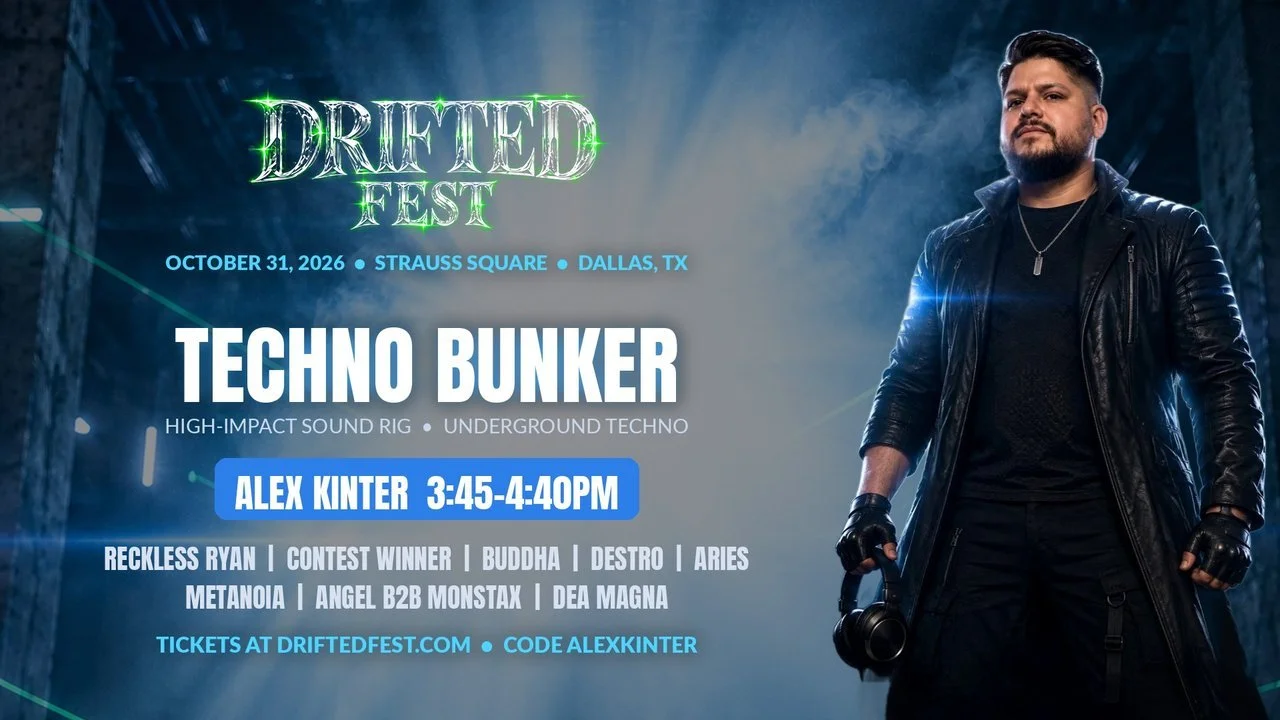
Alex Kinter is a film and commercial director with over 17 years of experience. He has directed for major brands like Hublot, AT&T, and Mercedes-Benz, and has earned recognition and accolades at international film festivals. Alex's unique approach to storytelling will elevate your brand and connect with your audience. Contact us today and book Alex for your next project here.