

The Coverage That Makes Business Films Cut
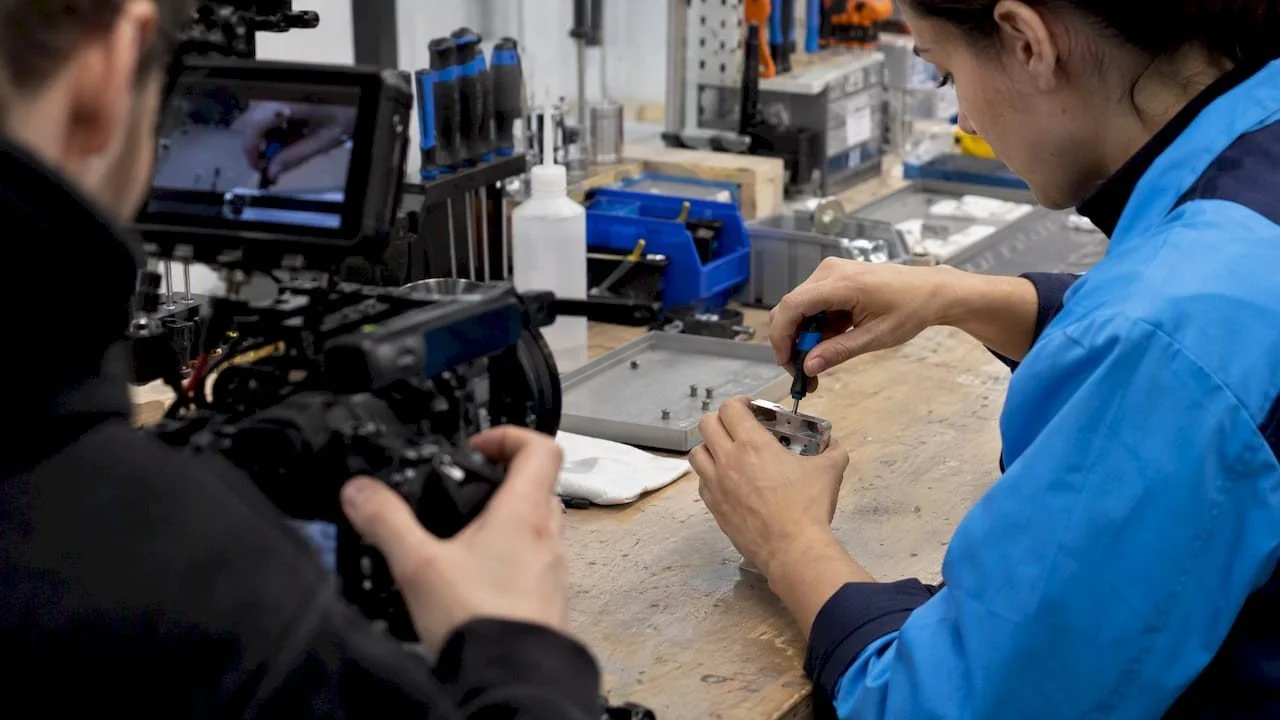
When I direct a business film, I do not treat supporting footage as decoration. I use it to prove what someone is saying, reveal how a company works, and create clean transitions when an interview needs to move forward. The best shots have a job before the camera starts rolling.
That matters for Dallas–Fort Worth marketing teams because one shoot often needs to support several communications goals: a homepage film, a leadership post, a recruiting piece, a sales presentation, or a series of short social edits. I plan coverage so the footage remains useful beyond the first cut.
Start with the message, not the location
A conference room may be visually polished, but it is not automatically relevant. Before I build a shot list, I identify the claims the finished film must support. If the story is about precision, I need to see inspection, measurement, and decision-making. If it is about trust, I look for real exchanges between people. If it is about scale, I need movement, geography, and evidence of the operation.
This approach changes what I capture. Instead of collecting random office activity, I direct actions that connect to the interview or voiceover. A logistics company might show a shipment being checked from intake through dispatch. A professional-services firm might show a leadership review with a real decision in progress. A manufacturer might reveal the material, the process, and the finished result in one visual sequence.
Build each scene in visual layers
I usually think about coverage in three layers, but I do not force every scene into the same formula. The first layer gives the viewer orientation: the building, floor, machine, or group. The second shows the human action. The third isolates a meaningful detail such as a control being adjusted, a sample being examined, or notes being marked.
That progression gives an editor options. A wide frame can establish where a statement belongs. A closer frame can carry the emotional or practical point. A detail can hide an edit, add rhythm, or make a technical explanation easier to understand.
For example, on a technology shoot I might begin with the server room or operations floor, move to an engineer reviewing performance with a colleague, and finish on a hand tracing a graph on a monitor. None of those images needs to be flashy. Together, they make an abstract claim visible.
Direct the action without making it feel staged
People often become self-conscious when a camera enters the room. I give them a specific task rather than asking them to “act natural.” That could mean walking through a normal inspection, preparing a client meeting, reviewing a real drawing, or explaining a process to a colleague.
I may repeat the action from another position, but I keep the behavior grounded in something the person actually does. I also avoid creating movement that has no connection to the story. A staged handshake can look less credible than two people solving a problem together.
On my sets, I watch for the small interactions that carry character: a technician checking a colleague’s work, a manager listening before responding, or a customer asking a practical question. These moments often communicate culture more convincingly than a posed group portrait.
Give the edit enough room
A beautiful frame can still be unusable if it starts late, ends early, or contains only one possible movement. I let actions complete and hold after they finish. I capture a clean beginning, a full middle, and a clean ending whenever the scene allows it.
I also protect continuity. If a person reaches for a document in one take, I want the direction, hand position, and eyeline to remain workable in the next angle. Small mismatches can limit an edit even when every individual shot looks good.
- Hold the camera steady through the entire action rather than stopping as soon as the key moment happens.
- Capture changes in pace: a composed setup, a working moment, and a brief pause can all be useful.
- Leave clean space around important actions so text, graphics, or a vertical crop have somewhere to live.
- Record details that can bridge scenes, including hands, tools, screens, textures, and environmental movement.
I make these decisions while filming because post-production cannot invent a missing angle or extend a movement convincingly forever.
Think about the destination before the shoot
The same scene can serve different purposes depending on where it will appear. A website film may need patient, spacious images that establish credibility. A LinkedIn post may benefit from a clear human interaction that reads without much context. A vertical edit needs compositions that survive a narrow frame and details that register quickly.
When I know the intended placements, I can protect alternate framing during the shoot. I may capture a centered version for a vertical crop, a wider version for a website banner, and a closer version for a short edit. I am not creating separate footage for every channel; I am creating flexible options from the same real moment.
This is one reason I ask marketing leads to share the full content plan before filming. The deliverables influence lens choice, camera position, movement, and even where I place a subject in the room.
Protect the brand while finding the truth
Useful coverage also has to be safe to publish. I check screens, paperwork, whiteboards, badges, and background signage before I roll. Confidential information, unapproved marks, and personal details can create problems long after the shoot ends.
I also make sure the right people understand how their appearance may be used. If a customer, employee, or visitor becomes part of the story, I handle releases before the footage moves into the edit. Good planning protects the company without flattening the scene into something artificial.
On technical sets, I keep an eye on mixed lighting, flickering screens, reflections, and exposure changes. Those issues are easier to solve before filming than after a client discovers that a key shot cannot match the rest of the sequence.
What I prioritize when time is tight
If the schedule changes, I protect footage that would be difficult to recreate. That usually means the real process, the leadership action, the customer interaction, and any access-dependent location. I can often create a useful insert later, but I cannot casually recreate an authentic operating moment or bring every participant back together.
I also leave time for one unexpected pass. After I understand the location, I often see a stronger angle, a better reflection, or a more honest interaction than the original plan suggested. Some of my most useful material comes from allowing a real moment to finish instead of rushing to the next setup.
A Dallas videographer should bring more than a camera to this kind of assignment. I bring editorial judgment: an understanding of what the message needs, what the audience will believe, and what the final cut may require.
Plan a shoot that earns its place in your marketing
If you are building a campaign, case study, leadership film, or recruiting story in North Texas, I can help shape the coverage around the message and the channels that matter. Learn how I approach directing and cinematography, review my reel, or talk with me about your project.
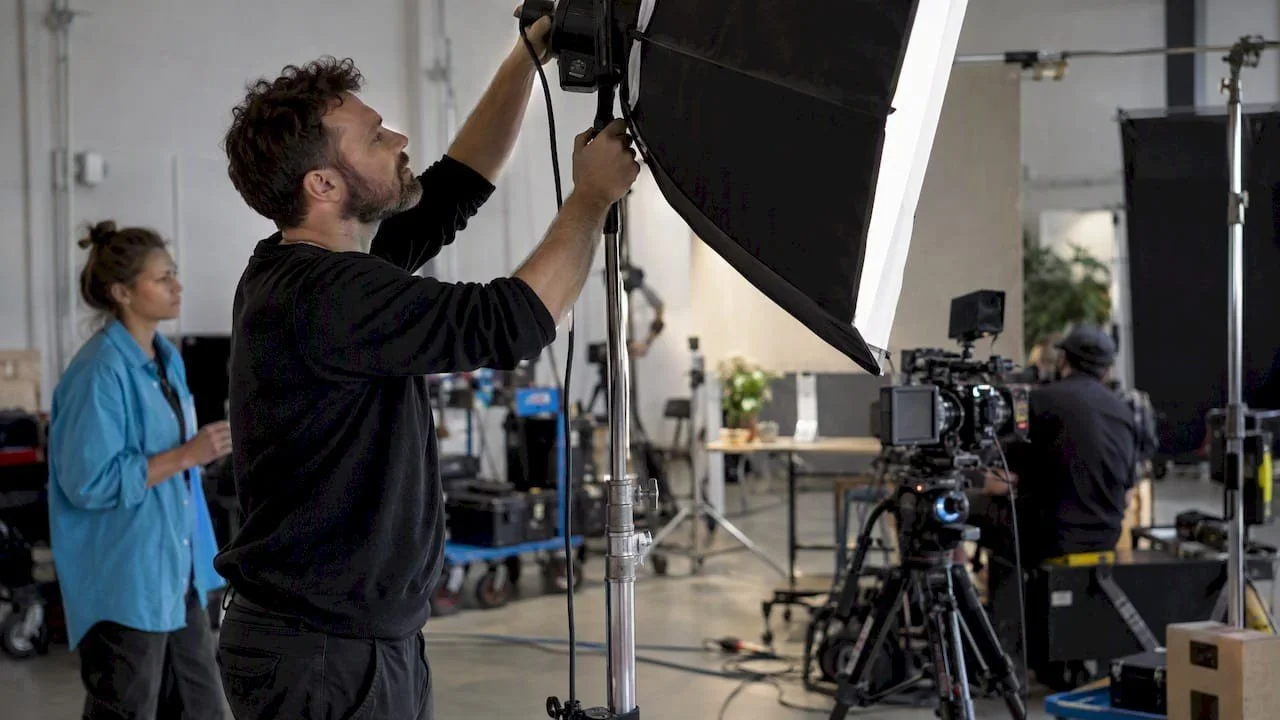
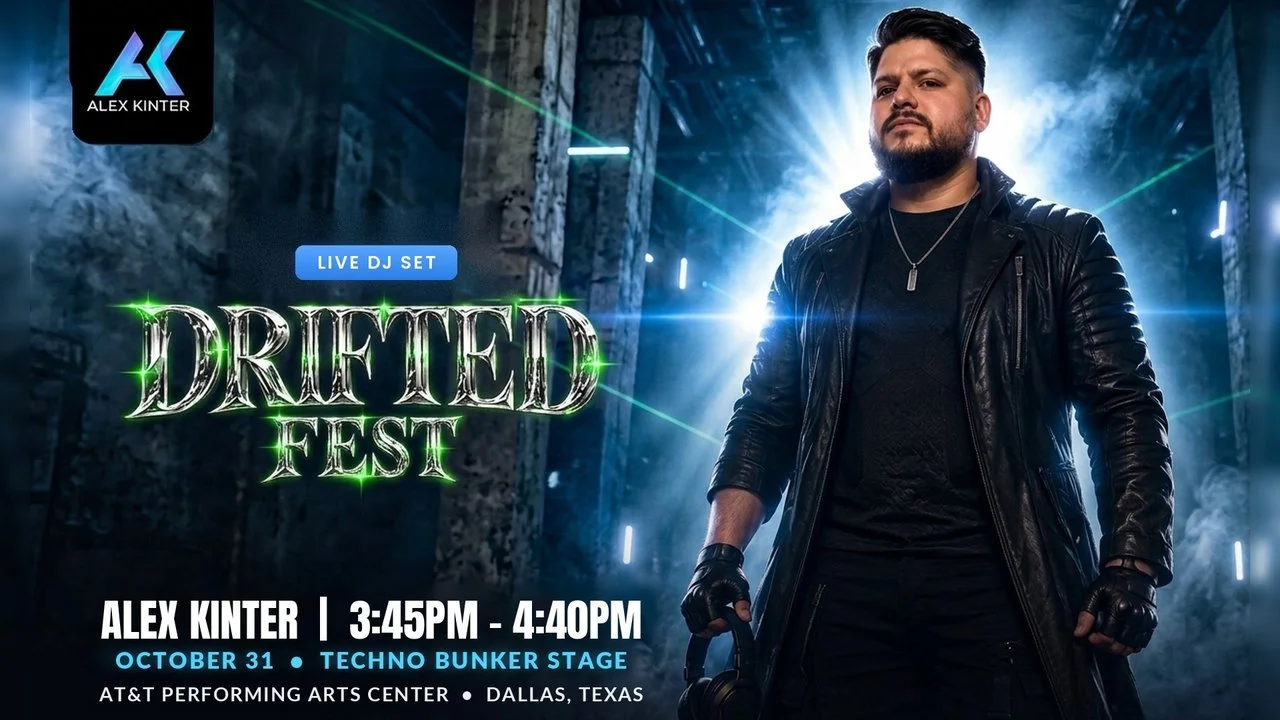
Alex Kinter is a film and commercial director with over 17 years of experience. He has directed for major brands like Hublot, AT&T, and Mercedes-Benz, and has earned recognition and accolades at international film festivals. Alex's unique approach to storytelling will elevate your brand and connect with your audience. Contact us today and book Alex for your next project here.