

Where Dallas Shoots Lose Time and How I Prevent It
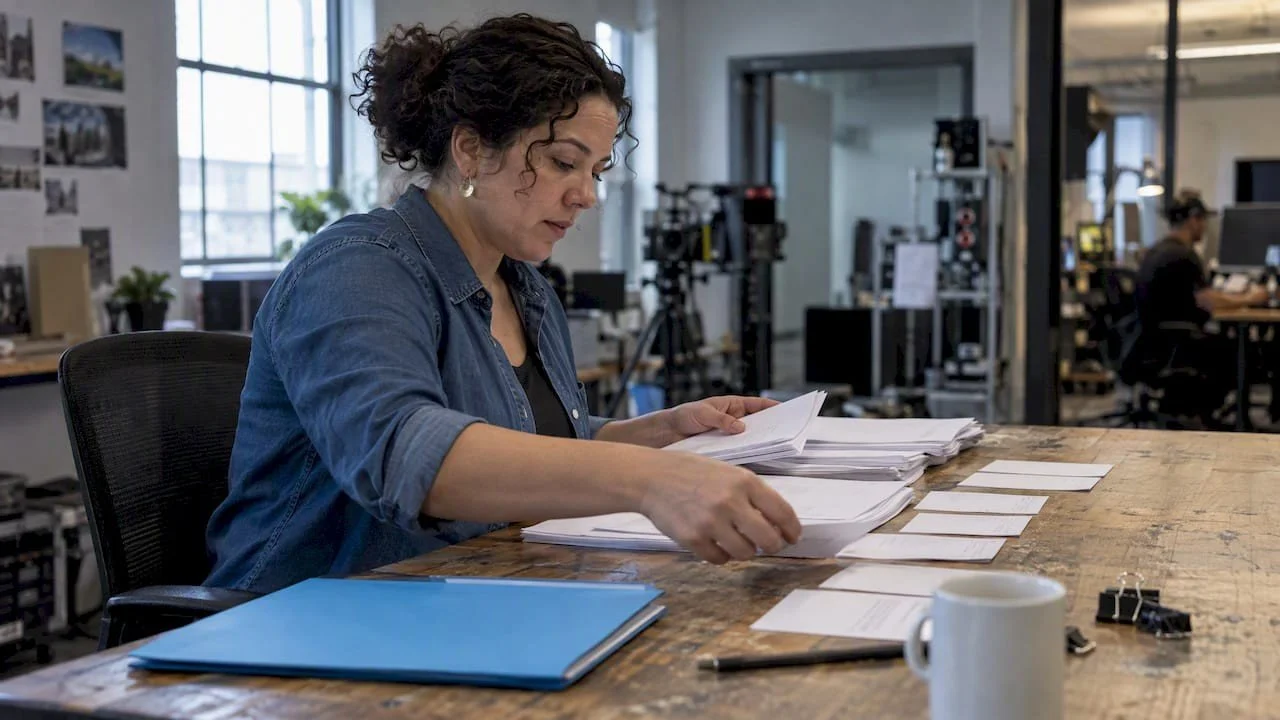
A strong commercial shoot is not held together by a last-minute scramble. It is built through decisions made before anyone arrives with a camera.
In 17 years directing and shooting for brands such as Hublot, AT&T, and Mercedes-Benz, I have seen the same pattern repeatedly: the biggest problems rarely begin on set. They begin when the creative idea, schedule, location, deliverables, and approval process are not aligned.
That is why I treat scope as a creative tool, not an administrative burden. When I know what the film must accomplish and what the schedule can support, I can make better choices with composition, performance, lighting, and pacing.
Start with the audience, not the shot list
Before I plan a setup, I want to understand the decision the viewer should make after seeing the piece. Is the goal to create trust, explain a service, introduce a product, support a sales conversation, or make a brand memorable?
This answer shapes nearly every later choice. A customer-story film may need room for natural pauses and emotional detail. A product launch may depend on controlled movement, precise sound, and several clean product angles. A recruiting piece may need authentic employee interaction rather than polished, overly directed performances.
I also clarify where the film will appear. A hero cut for a website, vertical social edits, paid placements, internal presentations, and sales enablement assets may all come from the same shoot, but they do not have identical framing or editorial needs. Defining those outputs early prevents the set from becoming an improvisation exercise.
Turn the concept into production decisions
A creative brief is useful only when it can guide real decisions. I translate the idea into a practical outline that identifies people, locations, wardrobe, props, movement, sound, and any visual effects or specialty requirements.
For example, a simple “busy office” concept may actually require background performers, multiple departments dressed for continuity, quiet interview windows, controlled lighting, and a plan for hiding modern distractions in frame. A “quick” exterior scene may involve changing sunlight, traffic noise, permits, parking, and a weather backup.
When I direct, I look for these dependencies before the schedule is locked. The question is not only whether an idea looks good. It is whether the idea can be executed consistently enough to produce the result the marketing team needs.
The schedule is a creative document
I build schedules around the work that must happen, not around an optimistic number of scenes. A setup includes more than recording time. It includes moving equipment, lighting the space, rehearsing talent, checking sound, reviewing a take, and resetting for the next angle.
One location with several related scenes is often more efficient than scattering individual moments across a large number of places. That does not mean every project should feel visually confined. It means I use changes in lensing, camera movement, blocking, lighting, and production design to create variety without creating unnecessary resets.
I also protect the shots that carry the message. If the schedule tightens, I would rather preserve the key demonstration, interview answer, or brand image than spend the final hour chasing a decorative angle that adds little to the story.
- Identify the scenes that communicate the central promise.
- Group setups by location, lighting state, cast, and equipment.
- Leave practical time for company moves, wardrobe changes, and sound checks.
- Keep a short list of optional shots that can be removed without weakening the edit.
Locations have consequences beyond appearance
A location is part of the production design, but it is also part of the schedule. I inspect access, parking, power, ambient noise, light direction, public traffic, elevator restrictions, and the distance between load-in and the shooting area.
A beautiful space can become a poor choice if it cannot support quiet dialogue or if the crew must repeatedly move through a narrow public corridor. A modest space can work extremely well when its practical limitations are understood and incorporated into the visual plan.
For Dallas–Fort Worth shoots, I pay close attention to weather and travel between locations. Heat, storms, long driving routes, and changing exterior light can affect performance and continuity. I would rather solve those issues during a scout than discover them while talent and crew are waiting.
When a client is comparing a Dallas videographer with several options, I encourage them to ask how each person evaluates a location. A portfolio shows the finished image. The planning behind that image determines whether the day feels controlled.
Protect the edit before the cameras roll
Many scope problems appear during editing because the intended deliverables were not defined early enough. I want to know the required durations, aspect ratios, captions, graphic treatments, music direction, review process, and final destinations before the shoot.
That information changes what I capture. A vertical cut may need a different blocking plan than a widescreen master. A short paid placement may require a quicker opening than a longer brand film. A customer interview may need several versions of the same answer so the editor can build concise cutdowns without losing context.
I also establish how feedback will be handled. Clear review rounds and one consolidated approval path keep the edit focused. Without that structure, small requests can accumulate into a new creative brief after the main work is already complete.
Where a Dallas videography company should add value
The right production partner should do more than operate a camera. I expect my work as a Dallas commercial director and Dallas cinematographer to connect the marketing objective to the decisions made on set.
That includes asking difficult questions early, explaining the tradeoffs between ambition and schedule, and recognizing when a simpler approach will produce a stronger film. It also means knowing when a project truly needs additional lighting, art direction, specialized camera movement, or a more involved post workflow.
A Dallas videography company can create value by reducing uncertainty. The client should understand what will be captured, what the finished assets will be, how approvals will work, and which decisions must be made before filming begins.
My reel shows the visual result, but the result is only one part of the job. I also bring a planning process that keeps the creative intent visible from the first conversation through the final master.
Make the first conversation specific
Before I recommend an approach, I want to hear about the audience, the business problem, the locations, the people on camera, and the way the finished film will be used. That conversation usually reveals which ideas deserve more attention and which complications can be removed.
If you are planning a commercial, corporate story, campaign asset, or branded film in Dallas–Fort Worth, talk with me about the project. I can help turn the initial idea into a focused plan for directing, cinematography, and production.
Alex Kinter is a film and commercial director with over 17 years of experience. He has directed for major brands like Hublot, AT&T, and Mercedes-Benz, and has earned recognition and accolades at international film festivals. Alex's unique approach to storytelling will elevate your brand and connect with your audience. Contact us today and book Alex for your next project here.