

How I Scope a Documentary That Works Harder
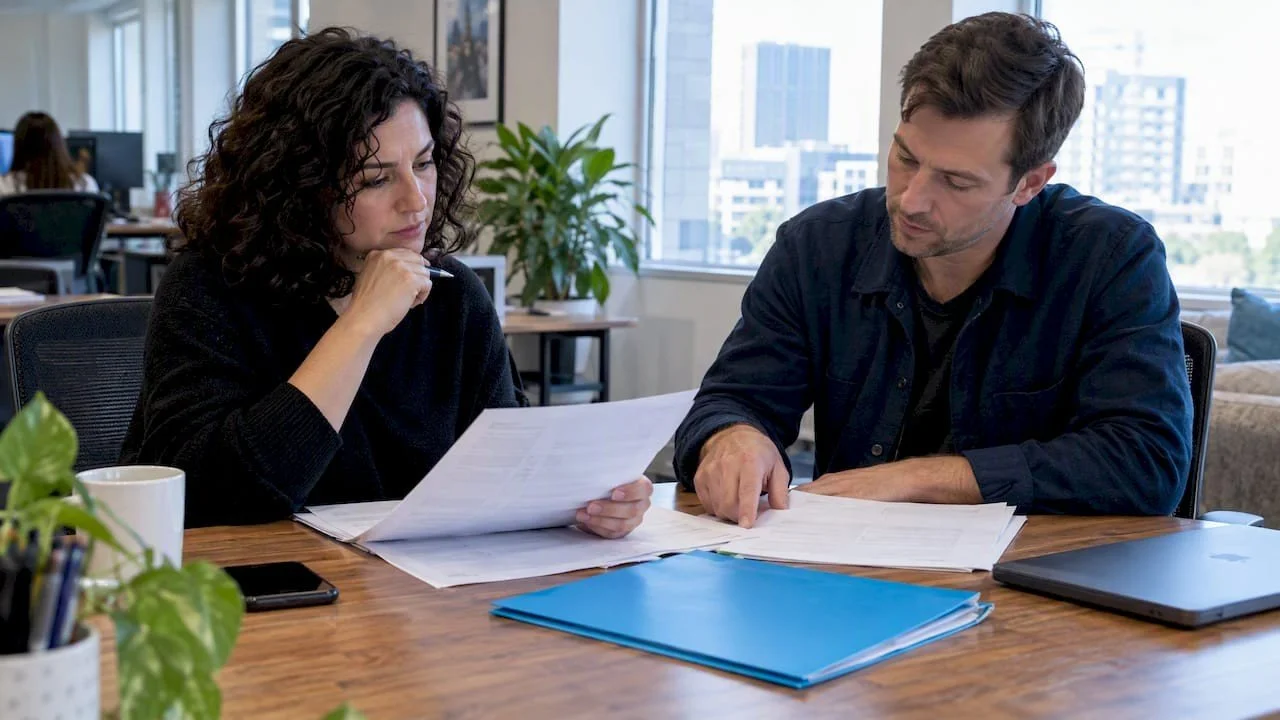
A corporate documentary can look impressive on set and still miss its purpose. I have seen beautifully lit interviews become difficult for a marketing department to use because the story was never shaped around the audience, the channels, or the decisions viewers needed to make.
When I direct this kind of project, I begin before the camera package is chosen. I want to know who needs to believe the story, what they should understand, and where they will encounter it. That early discipline gives the production a clear spine and prevents a long shoot from becoming a collection of attractive but disconnected scenes.
Start with the viewer, not the runtime
The first question is not whether the film should be five minutes or twenty. It is what the viewer needs from the experience. A recruiting film may need to make a workplace feel credible. A customer story may need to remove doubt from a buying decision. An anniversary piece may need to connect past decisions with the company’s next chapter.
Those goals create different editorial priorities. A recruiting story needs access to real people and environments. A customer story needs a clear problem, a meaningful change, and proof that the change mattered. A heritage film may depend on archival material, physical artifacts, and interviews with people who can explain why a milestone was important.
I map those needs into a simple story brief before I schedule interviews. The brief identifies the audience, the central tension, the evidence, and the action or belief the film should encourage. It also gives every person approving the project a shared definition of success.
Build the scope around usable moments
Most marketing leads do not need one isolated film. They need a main story, shorter excerpts, interview selects, vertical moments, or internal versions that can live in different parts of the customer journey. I account for those uses while planning the interviews rather than trying to discover them during the edit.
This changes how I prepare questions. Instead of asking a subject to repeat a polished message, I look for specific experiences, decisions, setbacks, and results. A product leader explaining why a design changed can serve a longer film, a sales presentation, and a short social edit if the interview is recorded with enough detail and shaped around a strong question.
Before filming, I create a deliverable map that connects each finished piece to a channel and audience. That map helps stakeholders decide what must be captured and what can be left out.
- The primary film and its intended viewing context
- Short excerpts that stand on their own without misleading context
- Alternate framing or captions required by the channel
- Interview, b-roll, and still-image needs that support future use
Protect the story in preproduction
Documentary-style work carries practical risks that a conventional scripted commercial may avoid. A subject can become unavailable. A location can change. A customer may approve an interview but restrict how the story is used. Old photographs may belong to an agency, photographer, or family rather than the company that wants to feature them.
I surface those issues before a shoot date is locked. I confirm interview access, releases, location permissions, archival ownership, and any claims that require substantiation. If the story depends on a factory floor, laboratory, dealership, or construction site, I also assess safety, noise, access windows, and the visual variety available there.
This is where a Dallas videographer can add more value than simply arriving with a camera. The job is to identify what could weaken the finished story while there is still time to solve it. A second interview subject, a better location window, or a more precise question can matter more than another lens or lighting fixture.
Choose the right scale for the audience
Scale should follow the viewing experience. A controlled interview day can be the right choice for an executive profile or a focused customer story. A more observational approach may be necessary when credibility depends on seeing people perform real work, interact with customers, or solve a problem under normal conditions.
I decide crew size and equipment around that creative requirement. A quiet interview in a finished office has different demands from a moving subject on an active job site. Multiple locations create additional coordination. Specialized camera movement, aerial imagery, or complex sound environments can be valuable when they reveal something the viewer could not otherwise understand, but they should have a narrative reason.
On my sets, I would rather make one location visually and editorially useful than collect five locations that only add travel and transitions. Strong coverage is not the same as excessive coverage. It means capturing the details, reactions, processes, and room tone that allow the editor to make the story feel complete.
Give postproduction enough room to think
The edit is where the documentary’s argument becomes visible. Interviews rarely arrive in perfect order, and the strongest opening may be buried halfway through a conversation. I review material for meaning, not just usable sentences, then build a structure that lets the audience follow cause and effect.
Sound deserves particular attention. A viewer may forgive an imperfect frame, but inconsistent dialogue, distracting room noise, or unclear voices can weaken trust immediately. I plan for clean recording, room tone, thoughtful music choices, and a mix that remains intelligible on the devices people actually use.
Color and graphics should reinforce the story rather than decorate it. Dates, names, process steps, and data can help when they clarify the subject. They become distractions when they compensate for an unclear narrative.
I also protect time for review rounds with a defined purpose. One pass can address factual accuracy. Another can focus on legal or brand requirements. Separating those conversations keeps subjective preferences from turning every revision into a reset.
Compare proposals by the finish line
When a marketing lead evaluates a Dallas videography company, the most useful comparison is not the first total on the page. It is whether each proposal describes the same creative and editorial finish line.
I recommend checking the following before choosing a directing partner:
- Which interviews, locations, and filming days are included
- How many finished versions and aspect ratios will be delivered
- Whether music, archival material, captions, graphics, and revisions are addressed
- Who handles releases, scheduling, location coordination, and postproduction decisions
- What assumptions could change the scope if the story develops
A clear proposal makes tradeoffs visible. If the project needs to become leaner, I can recommend removing a location, simplifying a format, or concentrating the story around fewer subjects. If the audience requires more proof, I can explain what additional access or editorial work would strengthen the film.
Make the film useful beyond launch day
The best corporate documentary is not treated as a single announcement. It becomes a durable story asset for sales conversations, recruiting, leadership communication, events, and the company website. That requires planning for how people will encounter it months after the original launch.
As a Dallas commercial director, I bring that question into the first conversation: where will this story work hardest, and what must be true for the audience to trust it? If the answer is clear, the creative decisions become easier. The shoot can stay focused, the edit can stay purposeful, and the final film can support more than one moment.
Talk through your documentary idea
If you are planning a customer story, brand history, recruiting film, or executive documentary in North Texas, talk with me about the project. I can help define the story, scale, and deliverables before filming begins.
Alex Kinter is a film and commercial director with over 17 years of experience. He has directed for major brands like Hublot, AT&T, and Mercedes-Benz, and has earned recognition and accolades at international film festivals. Alex's unique approach to storytelling will elevate your brand and connect with your audience. Contact us today and book Alex for your next project here.