

Make Every Master Easy to Use
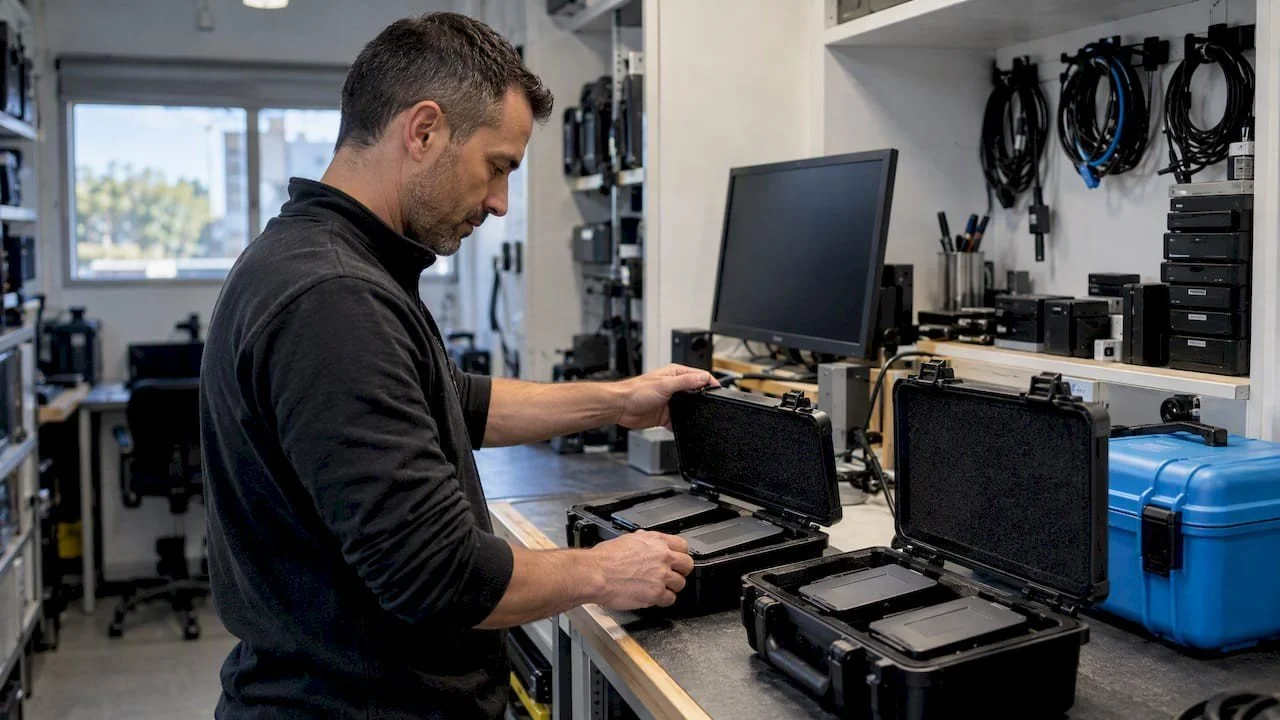
A finished film is not finished when the edit is approved. On my sets, the real test comes later: can a marketing lead find the right version, confirm its usage rights, send it to another channel, and trust that nothing important was lost along the way?
That question changes how I direct from the first brief onward. The camera, edit, color, and sound still matter, but so do the handoff details that rarely appear in a showreel. A strong enterprise asset should be easy to identify, easy to adapt, and difficult to misuse.
Start with the handoff, not the camera
Before I plan a shot, I want to know where the finished piece will live and who will touch it after approval. A leadership film, recruiting story, product demonstration, and paid campaign may come from the same day of filming, but they rarely need the same versions.
I ask for the intended channels, aspect ratios, runtimes, audience, accessibility needs, approval owners, and expected lifespan. I also want the required cutdowns and textless versions identified before the schedule is built. That conversation often reveals that the client does not need one film. It needs a small, organized family of assets.
For a Dallas videographer, this planning step is especially useful on regional campaigns that may later move into national distribution. I would rather design coverage for those future uses than discover during finishing that a key shot only works in one frame shape.
Build a file system someone else can understand
File names are part of the creative workflow. Months after a shoot, a marketing manager should be able to distinguish the approved master from a review export without opening every file.
I use a naming approach that makes the project, subject, version, frame shape, and status visible at a glance. Texted and clean versions should never look interchangeable. Audio elements, caption files, transcripts, and approval notes should sit in a predictable relationship to the picture.
The exact folder structure can vary by organization, but the logic should remain stable. A new editor, agency partner, or internal content manager should be able to enter the archive cold and understand what is current.
- Give every approved asset a unique project identifier.
- Mark review, approved, and retired versions clearly.
- Keep captions, transcripts, stills, and audio elements with the matching picture version.
- Record rights, restrictions, expiration dates, and approved channels in the asset record.
Capture choices determine future flexibility
Good handoffs begin while I am still on location. I capture at a resolution and frame rate that support the intended deliverables, while protecting enough image quality for reframing and finishing. I also pay close attention to exposure, focus, color references, and continuity between setups.
Sound receives the same discipline. I prefer a properly placed lavalier supported by a separate recording path when the scene allows it. I monitor during every take rather than assuming a quiet room will produce clean dialogue. A beautiful image cannot rescue a voice that is buried under HVAC noise or a clothing rustle.
I also make notes that help post move quickly: lens and filter choices, unusual lighting conditions, preferred takes, release status, and anything that could affect the edit. On a busy corporate set, those notes are not bureaucracy. They are insurance against avoidable guessing.
Separate approval from finishing
I encourage clients to approve the structure and message before final color and sound work begin. Once the picture is locked, I can finish it with confidence instead of repeatedly rebuilding the final mix or regrading scenes after a late editorial change.
My final review covers more than whether the story feels right. I check spelling, graphics, logos, skin tones, frame edges, transitions, dialogue clarity, music balance, captions, and the relationship between the caption timing and the approved cut.
For a Dallas cinematographer, the technical finish is where visual decisions become dependable across screens. I look for clipped highlights, crushed shadows, banding, dropped frames, and mismatched color between shots. I listen for clicks, abrupt edits, distracting room tone, and dialogue that shifts in level.
The delivery package should reflect the way the asset will be used. That may include a high-quality master for preservation, lighter review or distribution files, clean and graphic versions, caption files, a transcript, and separated audio elements. The right package is defined by the brief, not by habit.
Make accessibility part of the edit
Captions should not be treated as a last-minute file exported after everyone has stopped looking at the film. I plan for them early because dialogue changes, graphics, speaker identification, and timing all affect the final result.
I review captions against the finished picture, not only against a script. Names, technical terms, punctuation, sound descriptions, and line breaks influence comprehension. If a late change alters the dialogue or duration, the caption file needs a new check.
This is also where I confirm that important information is not communicated only through color, tiny text, or a visual detail that disappears on a phone. Accessibility improves the asset for more viewers and reduces friction when the piece moves into a new channel.
Use metadata as a creative safeguard
Metadata may sound administrative, but it protects creative work. A record that includes subject, campaign, runtime, version, rights status, caption status, and approved usage helps a busy team select the correct asset without relying on memory.
I recommend making a few fields mandatory before an asset can be marked ready. If the rights status is unknown, the caption file is missing, or the version is unclear, the file should remain in review. A visible question is safer than a confident mistake.
For a Dallas videography company or an internal marketing department, this discipline becomes more valuable as the library grows. Searchable records reduce duplicate requests, prevent accidental use of expired material, and make future editing more efficient.
Judge the handoff by what happens next
I do not measure a successful delivery only by whether a link was sent. I look at how quickly the asset clears review, how often someone asks for a replacement, whether the right version is published, and whether the content can be adapted without returning to the original project.
A useful review after each campaign asks three practical questions: which requirement was unclear, which handoff created delay, and which detail should become a standard field next time? That feedback improves the next brief before another shoot begins.
When I direct enterprise work, I treat organization as part of the craft. The goal is not to create a beautiful file that sits untouched. It is to create a reliable asset that a marketing team can find, trust, and use repeatedly.
Plan the handoff with me
If you are preparing a Dallas–Fort Worth campaign and want the filming, finishing, and delivery system considered together, talk with me about your project. I can also share more about my approach and recent work in my reel.
Alex Kinter is a film and commercial director with over 17 years of experience. He has directed for major brands like Hublot, AT&T, and Mercedes-Benz, and has earned recognition and accolades at international film festivals. Alex's unique approach to storytelling will elevate your brand and connect with your audience. Contact us today and book Alex for your next project here.