

How to Scope a Commercial Shoot in Dallas
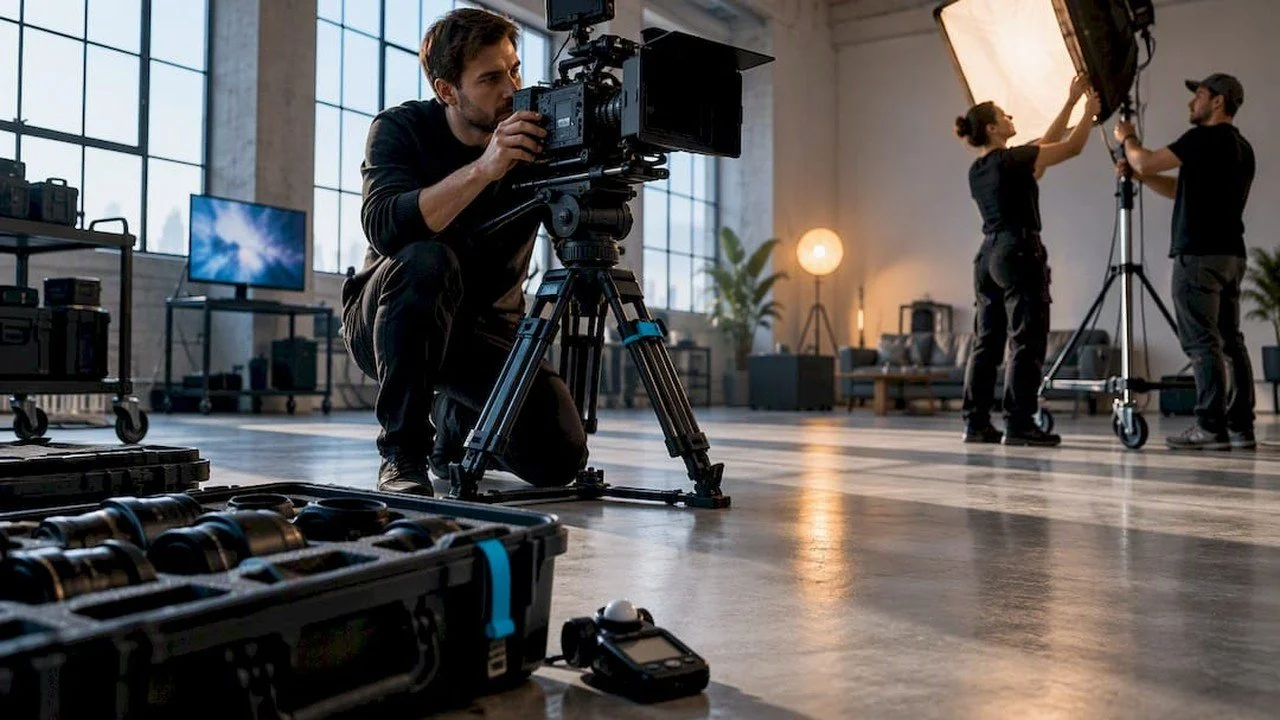
A commercial shoot is easiest to manage when the creative idea and the practical plan develop together. I have seen strong concepts become difficult projects because the brief left too many decisions open: the number of locations was unclear, the edit requirements arrived late, or the campaign needed more versions than anyone had listed.
My job as a Dallas commercial director is to make those decisions visible early. That gives a marketing lead a clearer path from concept to finished film and makes it easier to judge whether a proposal actually supports the intended result.
Begin with the job the film must do
Before discussing cameras, locations, or crew, I ask what the audience should understand, feel, or do after watching. A product launch may need desire and distinction. A recruiting film may need credibility and human connection. An executive message may need clarity above all else.
That purpose shapes every later choice. A campaign built for a large screen may rely on composition, detail, and sound design. A campaign centered on mobile viewing may need stronger framing discipline, shorter beats, and alternate aspect ratios. The same brand can require entirely different directing decisions depending on the audience and channel.
I also want to know how success will be judged. Is the film introducing a new service, supporting a sales conversation, attracting applicants, or giving a brand a more memorable point of view? A precise answer keeps the shoot focused when attractive but unnecessary ideas appear during development.
Turn the brief into a deliverable map
Many scope problems begin with the phrase “a main film and some social cutdowns.” That phrase does not tell me how many edits are needed, how long they should be, or where they will run.
I prefer a deliverable map that names each asset before filming begins. It should identify duration, orientation, captions, voiceover requirements, music needs, language versions, and delivery dates. If the campaign needs still frames, clean plates, interview selects, or short clips for a sales team, those should be listed too.
- Primary film: purpose, duration, audience, and placement
- Supporting edits: length, aspect ratio, and message for each version
- Finishing requirements: captions, graphics, color, sound, and legal copy
- Distribution terms: channels, territory, and intended period of use
This list affects how I plan coverage. A vertical edit may need dedicated framing rather than a late crop. A short cut built around a product detail may require additional close-ups on set. Planning those needs in advance is more effective than hoping the same footage will solve every format.
Build the production around the idea
Scope should follow the story, not the other way around. A controlled interview-led piece may benefit from a carefully designed environment, thoughtful lighting, and time for authentic conversation. A fast commercial concept may require movement, multiple setups, specialty camera support, or a more involved cast.
When I direct, I separate essential creative requirements from optional decoration. The essentials are the elements viewers must see, hear, or understand for the concept to work. Optional elements can include extra locations, elaborate transitions, additional characters, or visual flourishes that are useful only if they reinforce the message.
Locations deserve special attention in Dallas–Fort Worth. A location may look ideal in a reference image but create challenges with sound, parking, access, power, weather, or public activity. I evaluate those conditions during scouting because a beautiful setting that slows every setup may weaken the finished film.
Crew and equipment should be selected with the same logic. I do not add complexity simply to make a set look bigger. I bring in specialized support when it improves safety, speed, image quality, or the creative language of the piece.
Protect the schedule before the cameras roll
A realistic schedule is a creative tool. It gives performers room to work, allows lighting to be shaped with intention, and leaves enough time for the details that make a commercial feel considered.
For each setup, I account for more than the moment of recording. Moving between locations, resetting lights, preparing talent, checking sound, reviewing takes, and managing company moves all consume real time. A schedule that ignores those transitions may look efficient on paper and become rushed on set.
Pre-production is where I reduce that risk. I use the script, storyboard, shot list, location plan, casting decisions, wardrobe direction, and technical requirements to identify conflicts while they are still easy to solve. If the concept includes a vehicle, child performer, drone, stunts, or a crowded public setting, those details need attention well before the shoot date.
I also encourage marketing leads to identify approval points early. Knowing who can approve the creative, the rough cut, and the final master prevents a late-stage chain of conflicting notes.
Evaluate proposals by what they include
A single total does not tell you whether two proposals are comparable. When I review a scope with a client, I make sure the document explains the creative phases, shoot requirements, post-production process, and final delivery.
Look for clear information about:
- Creative development, scripting, storyboards, and pre-production meetings
- Director, cinematography, lighting, sound, production design, and other crew roles
- Locations, talent, wardrobe, props, travel, permits, and safety planning
- Edit structure, review rounds, color finishing, sound mix, graphics, and music
- Final formats, usage terms, archival materials, and delivery schedule
This approach helps a buyer distinguish a lean concept from an underdeveloped proposal. A concise scope can be excellent when it is intentional. A short document that omits essential work creates uncertainty that usually appears later as delays, compromises, or change requests.
For a second perspective on how I approach projects, you can visit my about page or review my reel. I want the creative standard and the working process to be clear before a project begins.
Plan footage for its second life
The strongest campaigns rarely end with one master film. During development, I look for opportunities to capture material that can support future edits without making the shoot feel unfocused.
That might mean recording clean product details, alternate lines, room tone, reactions, or short statements that answer common customer questions. It may also mean designing interviews so useful excerpts can stand alone. The goal is not to collect random extra footage. The goal is to create a deliberate library of material that serves the campaign after launch.
Repurposing works best when it is designed into the concept. If every short edit requires a different message, performance, and visual structure, the source shoot should reflect that. A Dallas videography company or independent director should be able to explain how the planned coverage supports each intended asset.
Make the final decision about clarity
The most useful scope document is not the longest one. It is the one that makes the creative objective, deliverables, responsibilities, schedule, and finishing standards easy to understand. When those pieces are aligned, the production can stay ambitious without becoming chaotic.
If you are comparing approaches for a Dallas campaign, I am happy to talk through the idea, the audience, and the assets you need. Contact me to discuss your project and determine the right path from concept to finished film.
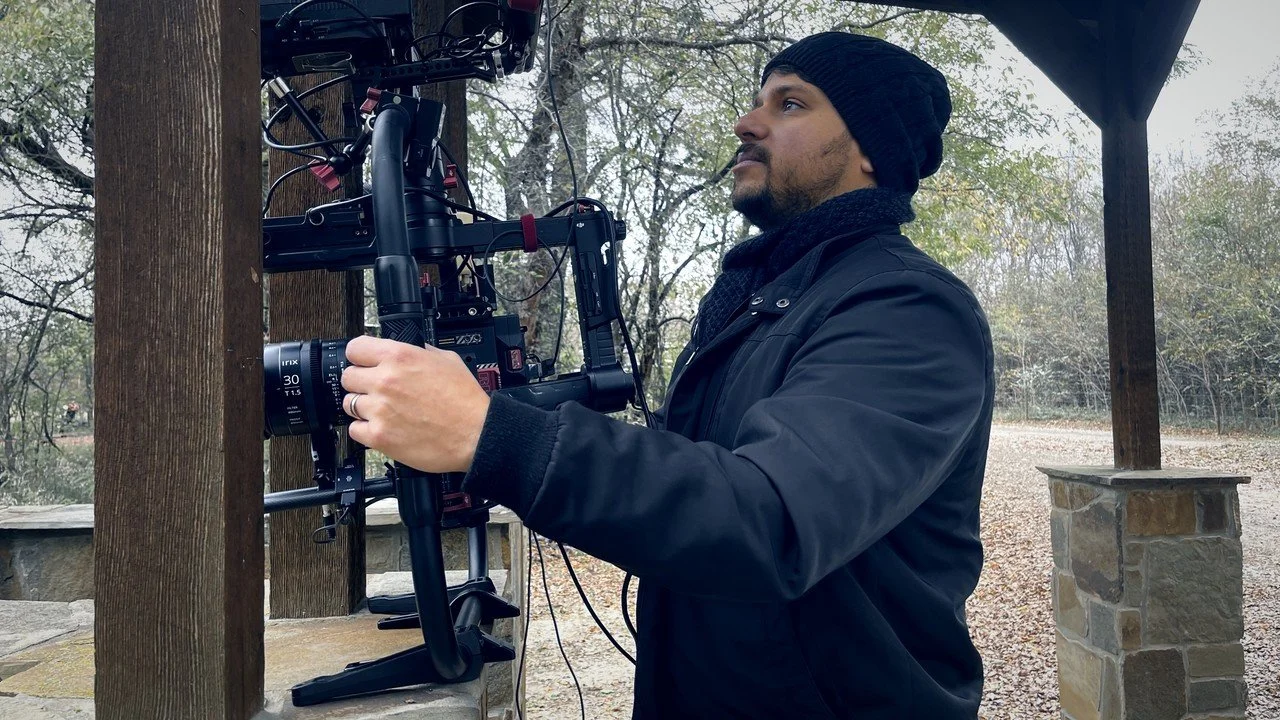
Alex Kinter is a film and commercial director with over 17 years of experience. He has directed for major brands like Hublot, AT&T, and Mercedes-Benz, and has earned recognition and accolades at international film festivals. Alex's unique approach to storytelling will elevate your brand and connect with your audience. Contact us today and book Alex for your next project here.