

Plan the Cut Before the Dallas Shoot
The most frustrating reshoots I see rarely begin with a weak concept. They begin with a deliverable nobody defined clearly enough before the first camera is built.
A marketing lead may approve a strong hero film, then discover that the campaign also needs vertical edits, silent autoplay, alternate openings, captions, legal language, thumbnail frames, and a version that leaves room for platform controls. By then, the location is gone, the subject has moved on, and the original lighting setup may be impossible to recreate.
When I direct, I treat the deliverable map as part of the creative brief. It does not limit the idea. It gives the idea enough structure to survive every placement, review, and handoff.
Start with the campaign’s job, not the camera format
Before I discuss lenses or movement, I want to know what the film must accomplish. Is the first exposure meant to create recognition? Should the viewer understand a product benefit immediately? Is the next step a form submission, a store visit, a conversation with sales, or simply stronger brand memory?
Those answers affect how I design the opening, how much context belongs in the frame, and which moments need alternate versions. A brand film built for a large screen can breathe. A short social cut often has to communicate its subject before the viewer has decided whether to keep watching.
I ask for the intended channels, placements, audience stages, and calls to action while the concept is still flexible. That conversation lets me protect the central message rather than force a finished edit into unsuitable shapes.
Build a deliverable map around usable moments
I do not begin with a list of file extensions. I begin by identifying the moments the campaign can reuse. A product reveal, a human reaction, a proof point, a close detail, and a clear closing frame may each serve a different purpose in the final package.
For one campaign, I might plan a primary story, a concise benefit-led cut, several opening variations, silent versions, and still frames pulled from deliberate compositions. That is different from randomly shortening the finished film and hoping the result remains persuasive.
For each intended asset, I document:
- the audience and action it supports;
- the required duration and orientation;
- the on-screen copy or disclosure it needs;
- the source moment that supplies its visuals and sound;
- the person responsible for approving it.
A Dallas videographer who knows these requirements early can frame the shoot with more options. I can leave clean space for copy, protect faces during reframing, and capture cutaways that make shorter edits feel intentional.
Protect the frame for more than one screen
A composition that looks balanced in a wide frame can fail when cropped vertically. The subject may drift out of view, a product may lose its context, or a headline may collide with interface elements. I account for those risks while I am lighting and blocking, not after the edit has been approved.
On set, I may capture a wider safety composition, then make a second adjustment with the vertical crop in mind. I watch where hands, faces, logos, and important action land. I also avoid placing essential information too close to the edges, where a platform overlay or alternate crop can hide it.
This does not mean every shot should look generic. It means the strongest visual idea has a plan for its most important destinations. If a campaign needs a polished wide master and a direct-to-camera vertical version, I decide whether one setup can serve both or whether each deserves its own composition.
Make sound, captions, and compliance part of the design
Many viewers encounter branded content with sound muted. I therefore want the story to remain understandable through performance, graphics, framing, and captions. During the shoot, I make sure the spoken message is recorded cleanly enough for accurate transcription and that visual beats do not depend entirely on a line the viewer cannot hear.
Caption timing is not merely an export task. Captions can cover a face, a product detail, or required legal language. I reserve usable areas in the composition and review the result at the size where the audience will actually see it.
Disclosures and rights information deserve the same attention. If a partnership, endorsement, licensed song, stock element, or product claim requires specific treatment, I want that requirement in the brief. I can then capture clean plates, alternate takes, or uncluttered frames that make the final obligation clear without damaging the message.
Use one review gate with evidence
Long approval chains often create contradictory notes. I prefer a defined review window in which creative, marketing, legal, and measurement owners assess the same labeled package. Each person should know what they are approving and what would stop a launch.
My handoff is stronger when every file has a clear name, orientation, duration, version, and status. A reviewer should not have to guess whether a file is a master, a platform export, a textless version, or an older draft.
The review should confirm more than whether the film feels polished:
- Does the opening work in the intended placement?
- Does the offer or message match the destination page?
- Do captions, disclosures, logos, and end cards appear correctly?
- Do links, tracking events, and calls to action behave as expected?
- Are all required versions present, playable, and approved?
I recommend saving approval evidence with the final package. A rendered preview, a mobile check, a caption review, and a tracking test create a useful record when questions arise later.
Design the handoff for the next person
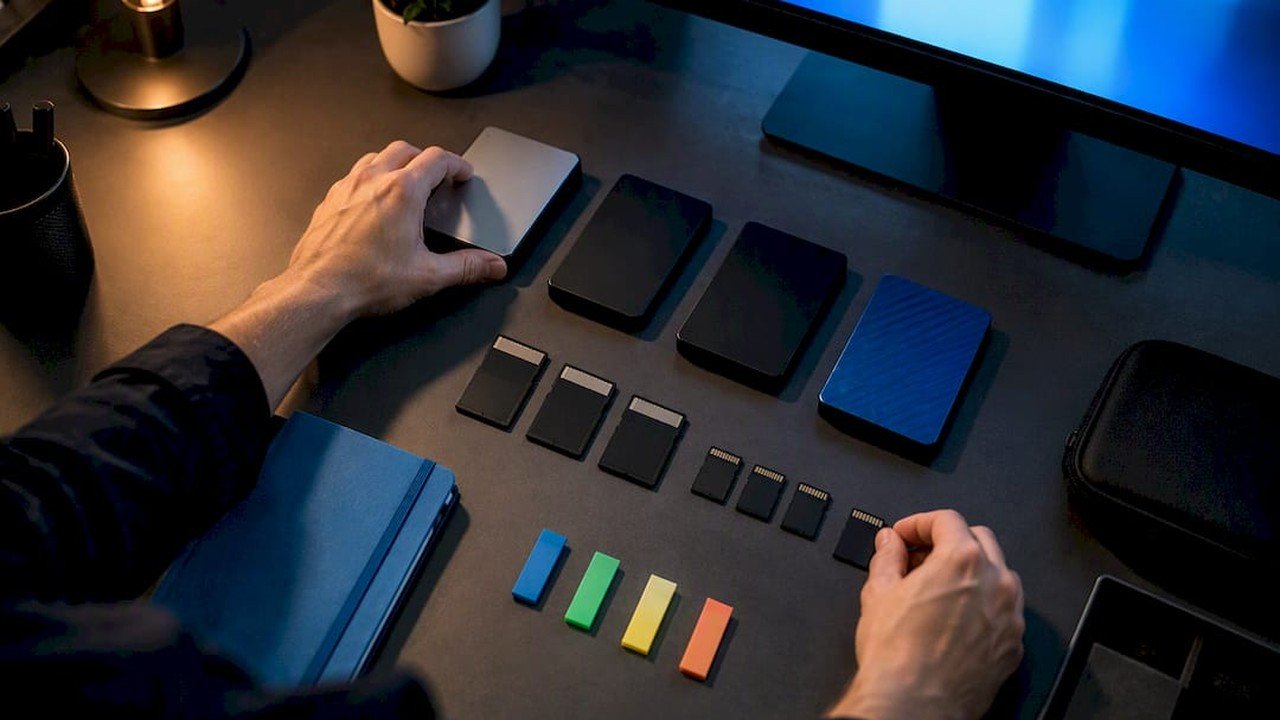
A finished film is not the end of its useful life. Marketing teams may need a localization, a new offer, a seasonal end card, a sales presentation, or a future cut from the same footage. I preserve the elements that make those changes practical: clean masters, organized project files, textless versions, audio components, transcripts, and a simple asset manifest.
This is where a Dallas videography company can either create future flexibility or leave a marketing lead with a folder of mysterious exports. I label what is final, what is editable, what is licensed, and what still requires approval. That organization protects the creative investment long after the first campaign goes live.
Plan the package before the shoot
If you are preparing a campaign in Dallas–Fort Worth, I can help translate the marketing objective into a shoot plan that anticipates the edits, formats, approvals, and future uses. Talk with me about your project through my contact page.
Alex Kinter is a film and commercial director with over 17 years of experience. He has directed for major brands like Hublot, AT&T, and Mercedes-Benz, and has earned recognition and accolades at international film festivals. Alex's unique approach to storytelling will elevate your brand and connect with your audience. Contact us today and book Alex for your next project here.