Build One Shoot Into a Social Video System
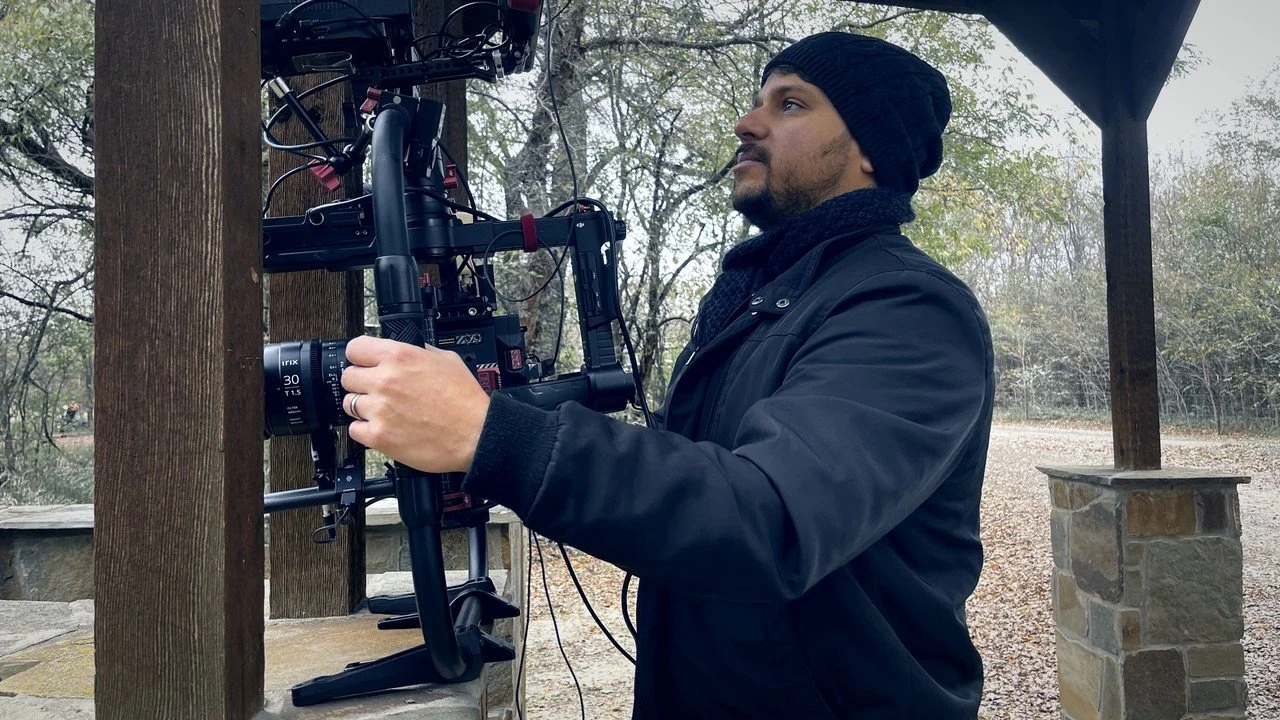
A social ad rarely stays a single ad for long. A marketing lead may begin with one campaign concept, then need a vertical version for mobile, a shorter hook for testing, a clean cut for a sales page, and a few supporting clips for organic posts. If those needs appear after the shoot, the project becomes harder to manage than it needed to be.
When I direct, I start by treating the production as a content system. That does not mean capturing random extra footage. It means designing the concept, coverage, talent direction, and post-production plan around the decisions your marketing team will need to make later.
That approach helps protect the creative idea while giving the finished work enough flexibility to perform across channels.
Start with the campaign decision, not the camera package
Before I think about lenses or lighting, I want to know what the video must accomplish. Is the audience unfamiliar with the brand? Does the spot need to demonstrate a product, establish trust, drive a visit, or give a sales team a stronger opening conversation?
The answer changes the entire structure. A product demonstration needs readable action and deliberate close-ups. A recruiting piece needs credible human moments and room for messaging. A brand film may rely on atmosphere, while a direct-response ad needs the value proposition understood quickly.
I also ask where the audience will encounter the work. A viewer moving through a vertical feed behaves differently from someone watching a landscape piece on a landing page. The same central idea can serve both, but the framing and pacing should be planned rather than improvised afterward.
Design the shoot around useful variations
One efficient production can generate a substantial library when the shot list has a purpose. I may capture a complete demonstration, then repeat key actions with a tighter composition, a cleaner background, or a different emotional beat. Those variations give an editor options without making the final campaign feel repetitive.
I look for moments that can stand alone: a strong opening action, a concise explanation, a reaction, a detail shot, and a closing brand cue. I also protect clean pauses around dialogue and movement. Those small gaps make it easier to add captions, supers, transitions, and platform-specific timing later.
For a Dallas commercial director, the practical challenge is often not the shoot itself. It is anticipating how the footage will be used after the camera is packed away. A well-built shot list reduces the need to recreate a moment simply because the first version only worked in one frame.
Make vertical framing a creative choice
Vertical delivery should not be treated as a crop of the landscape master. Important faces, products, and gestures can disappear when a wide composition is narrowed. Text can also become crowded, especially when the platform interface covers part of the image.
On set, I decide which shots need dedicated vertical attention and which can be composed safely for multiple ratios. That may mean shifting a subject, simplifying the background, or capturing a second angle. I keep an eye on headroom, hand movement, product placement, and the negative space needed for captions.
That planning is especially valuable when the campaign depends on several short edits. Each version should feel intentional, even when it comes from the same production day.
Control the handoffs that create delays
Most avoidable post-production problems begin before editing. A script changes after the shoot. A stakeholder introduces a new message in the second review. A legal note arrives after color and sound are finished. These moments can force work to be repeated.
I prefer clear approval points:
- Approve the brief, audience, message, and call to action before production.
- Approve the script, storyboard, and visual references before the shoot.
- Gather feedback on one review link with one person responsible for consolidating notes.
- Lock the picture edit before finishing color, sound, and graphics.
This structure does not remove judgment from the process. It gives judgment a defined place, so creative decisions do not keep moving after they have already shaped another department's work.
Give the editor a clear hierarchy
A strong edit is not simply a collection of attractive shots. The viewer should understand what matters first, what supports it second, and what action comes next. I communicate that hierarchy through the brief and through the footage itself.
When I review an assembly, I look for a decisive opening, a clean progression, and an ending that does more than display a logo. If the message needs context, I make sure the edit earns that context quickly. If the campaign is built for testing, I may separate different hooks from the body of the story so the marketing team can compare them without rebuilding everything.
As a Dallas cinematographer, I think about post-production while I am lighting a scene. A practical light, a controlled background, or a carefully chosen camera move can give the editor more useful options than a complicated setup that only works for one final cut.
Build a deliverable map before the first take
I recommend writing down the intended outputs before production begins. The map should identify the primary edit, shorter versions, aspect ratios, caption treatment, graphics requirements, audio needs, and any usage or delivery constraints. It should also identify what is essential and what is optional.
A simple map might include:
- The main story and its required message.
- Short openings or alternate calls to action for testing.
- Vertical, square, and landscape versions where they serve a real channel need.
- Clean footage or text-safe variants for future edits.
- Captioned, uncaptioned, and audio-mixed files when the campaign requires them.
This exercise often reveals that a proposed deliverable is not actually necessary, or that an important version was never considered. Both discoveries are easier before the schedule is set.
Choose a production partner who can think through the whole path
The most useful conversation with a Dallas videographer is not only about the shoot day. It should cover the audience, distribution, approvals, creative references, deliverables, and the decisions that may change after launch.
I bring direct experience from commercial sets where the image has to carry a brand message with clarity and control. You can watch my reel to see how I approach visual storytelling, or read more about my work as a Dallas commercial director.
When the production plan connects strategy to execution, the result is more than a polished file. It is a set of usable creative assets that gives your marketing team room to learn, adapt, and keep the campaign moving.
Talk through your next production
If you are planning a campaign in Dallas–Fort Worth, contact me and tell me what the video needs to accomplish. I can help you shape the shoot around the audience, the channels, and the deliverables that will matter after production.
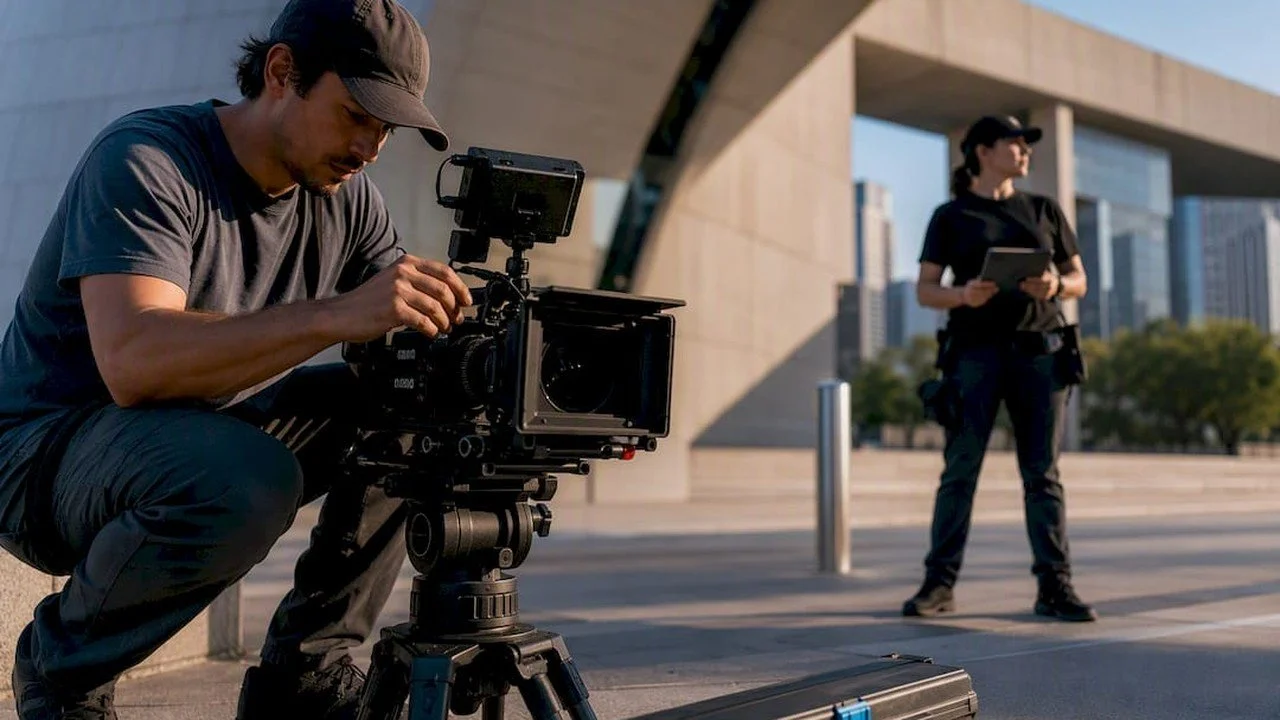

Alex Kinter is a film and commercial director with over 17 years of experience. He has directed for major brands like Hublot, AT&T, and Mercedes-Benz, and has earned recognition and accolades at international film festivals. Alex's unique approach to storytelling will elevate your brand and connect with your audience. Contact us today and book Alex for your next project here.