

Make One Brand Story Work Harder
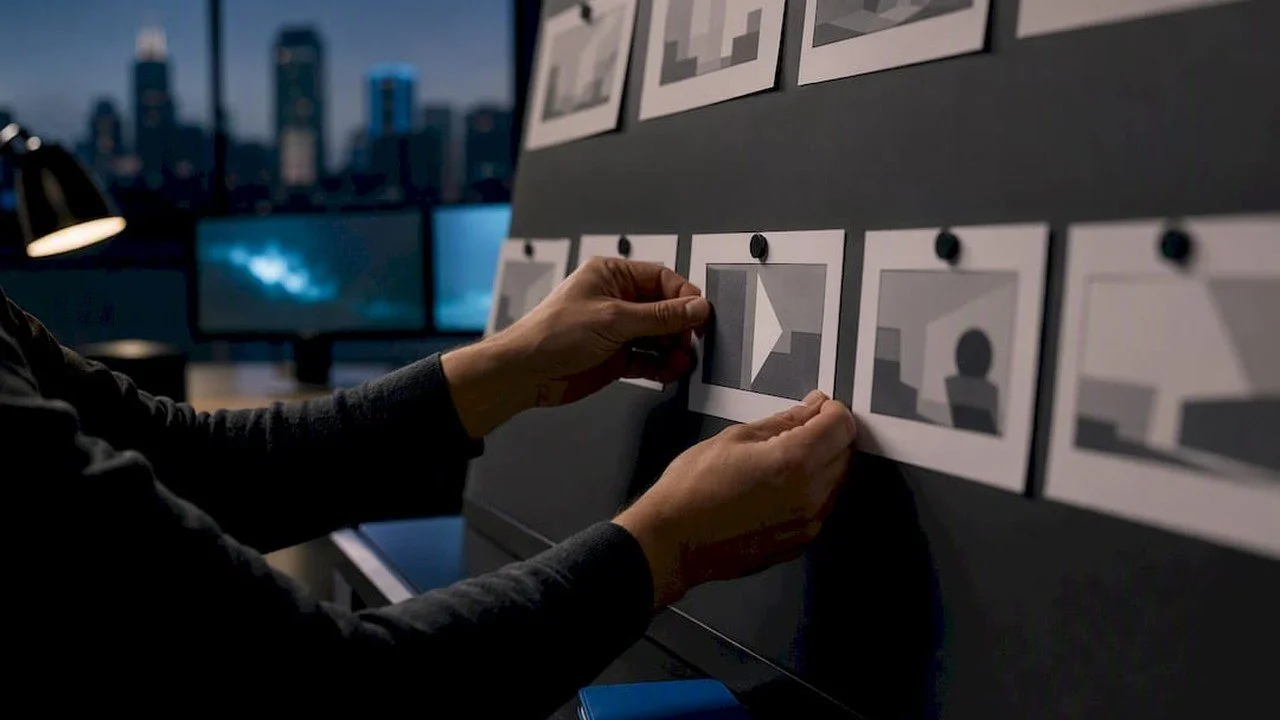
A short documentary-style brand film can create trust in a way a polished product spot often cannot. It gives a real person room to reveal a problem, a decision, or a meaningful change. For a marketing lead, though, the challenge is larger than making one compelling film. The shoot has to produce a central story and enough supporting material to keep that story useful after launch.
When I direct this kind of work, I think about the emotional film and the practical asset library at the same time. The audience should feel that the story was made for them, not assembled to fill a media calendar. At the same time, every major beat needs a clear job across the website, social channels, sales conversations, and paid placements.
Start with the person, not the brand claim
The strongest subject is not necessarily the most polished spokesperson. I look for someone whose experience contains a visible question: Can they recover from a setback? What changed after they found the right solution? What do they risk by staying where they are?
That question gives the film forward motion. Without it, an interview can become a collection of favorable statements that sound accurate but do not hold attention. A customer, craftsperson, founder, or employee becomes memorable when the audience understands what was difficult before understanding what the brand offers.
My first creative task is to locate the moment before the answer. I want to know what the subject tried, what failed, and what they noticed when circumstances began to shift. Those details create a narrative that does not need to announce its message in every sentence.
Design the story around meaningful turns
I do not treat a short film as a compressed case study. I treat it as a sequence of turns. The opening establishes a person and a situation. The middle complicates that situation with a consequence, obstacle, or choice. The final section shows what changed and why it matters.
Before I build a shot list, I identify the turn that the viewer should remember the next day. It might be a founder describing the first customer who believed in the business, a technician returning to a site after an unexpected failure, or a family explaining why a local service became part of their routine. The details vary, but the principle is consistent: the ending should feel earned by what came before it.
A Dallas commercial director has to protect that progression on location. A beautiful image cannot repair a story that never develops. I would rather capture a simple, truthful action that reveals character than collect attractive footage with no narrative purpose.
Build an edit map before the shoot
Marketing teams often discover too late that a longer film contains no complete shorter version. The issue is usually not the editor. It is that the original shoot was designed around one finished piece instead of several viewing situations.
I solve that during planning by mapping the film’s essential beats before cameras roll. I decide what a viewer should understand after a brief introduction, what can carry a medium-length version, and what belongs only in the full story. These are not arbitrary time targets. They are different communication jobs.
- The central film needs room for context, character, tension, and resolution.
- A social cut needs one clear idea and a strong visual or spoken entry point.
- A reminder cut should reinforce a detail the audience has already encountered rather than retell everything.
- A sales-facing version may need a specific proof point that does not belong in the emotional centerpiece.
This map changes what I capture. I schedule visual details, clean lines of dialogue, reactions, transitions, and natural sound that can begin or end a shorter edit cleanly. I also make sure the subject can communicate a complete thought without depending on a sentence that appears ten minutes later in the master interview.
Capture evidence, not just atmosphere
Documentary-style directing depends on observation. I want the hands doing the work, the pause before an answer, the room where a decision happened, and the small routines that make the subject specific. Those images give the editor evidence to place beside the interview.
On my sets, I separate coverage into useful categories. I capture the main conversation, real actions, environmental detail, transitions, and dedicated material for future cutdowns. The last category is not filler. It may include a close view of a product in use, a subject looking toward an off-camera partner, or a sequence that communicates the setting without dialogue.
Sound receives the same attention. A clean interview is important, but the scrape of a tool, the hum of a workspace, a door opening, or a moment of silence can make a short film feel inhabited. I record those sounds intentionally instead of hoping they appear by accident.
This is where an experienced Dallas cinematographer adds value beyond camera operation. Framing, movement, light, and sound should all support the audience’s understanding of the subject. Style is useful when it clarifies the story, not when it competes with it.
Make the asset family feel related
After the main edit is stable, I approach each shorter version as its own piece of communication. I do not simply remove the middle from the longest cut and call the result finished. Each version needs a reason to exist, an appropriate opening, and a clear final impression.
That can mean beginning with a striking observation for an unfamiliar audience, leading with a practical result for a warmer audience, or using a direct invitation after someone has already watched the central film. Captions, framing, pacing, and sound should be treated as part of the concept, especially when the audience may encounter the piece without audio.
I also protect visual continuity. Color, typography, music choices, and graphic restraint should make the cuts feel like members of the same family. A marketing lead should be able to move from one asset to another without feeling that the brand voice changed between platforms.
Connect the film to a real marketing decision
A story-led film does not need to behave like a direct-response advertisement to be accountable. It does need a defined role. Is it introducing the brand to a new audience, giving a prospective customer confidence, helping a sales representative explain a complex service, or reminding an interested viewer why the story mattered?
I ask those questions before directing because distribution affects the edit. A film meant for a company homepage can breathe differently from a vertical cut encountered between unrelated posts. A piece intended for a sales presentation may need a specific explanation that would interrupt the emotional rhythm of the public-facing version.
For Dallas–Fort Worth businesses, local context can also be an advantage. A recognizable workplace, neighborhood, or regional challenge can make the story feel immediate without turning it into a slogan. As a Dallas videographer, I look for those details while keeping the film accessible to someone who has never visited the area.
Choose a process that protects the story
The most useful brief includes more than a desired runtime. It explains the audience, the subject, the business question, the intended placements, the approval path, and the evidence that would make the film credible. I also want to know what cannot be shown, who must approve the subject’s words, and how the footage may be used later.
Those conversations prevent avoidable compromises. Releases, location permissions, brand requirements, accessibility needs, and delivery formats should be considered before the shoot, not discovered when the edit is nearly complete. The goal is not to remove creativity from the process. It is to give creativity a stable structure.
If you are comparing a Dallas videography company with an independent director, ask who will shape the story on set, how shorter edits are planned, and what happens when the subject says something more interesting than the approved outline. My approach is hands-on from the first conversation through the final grade, because the best editorial decisions begin before the first frame is captured. You can learn more about how I work on my about page or watch selected work in my reel.
Let’s find the story worth building around
If you have a customer, founder, employee, or place with a story that deserves careful direction, talk with me about the project. I can help shape the central film and the supporting cuts before the shoot begins.
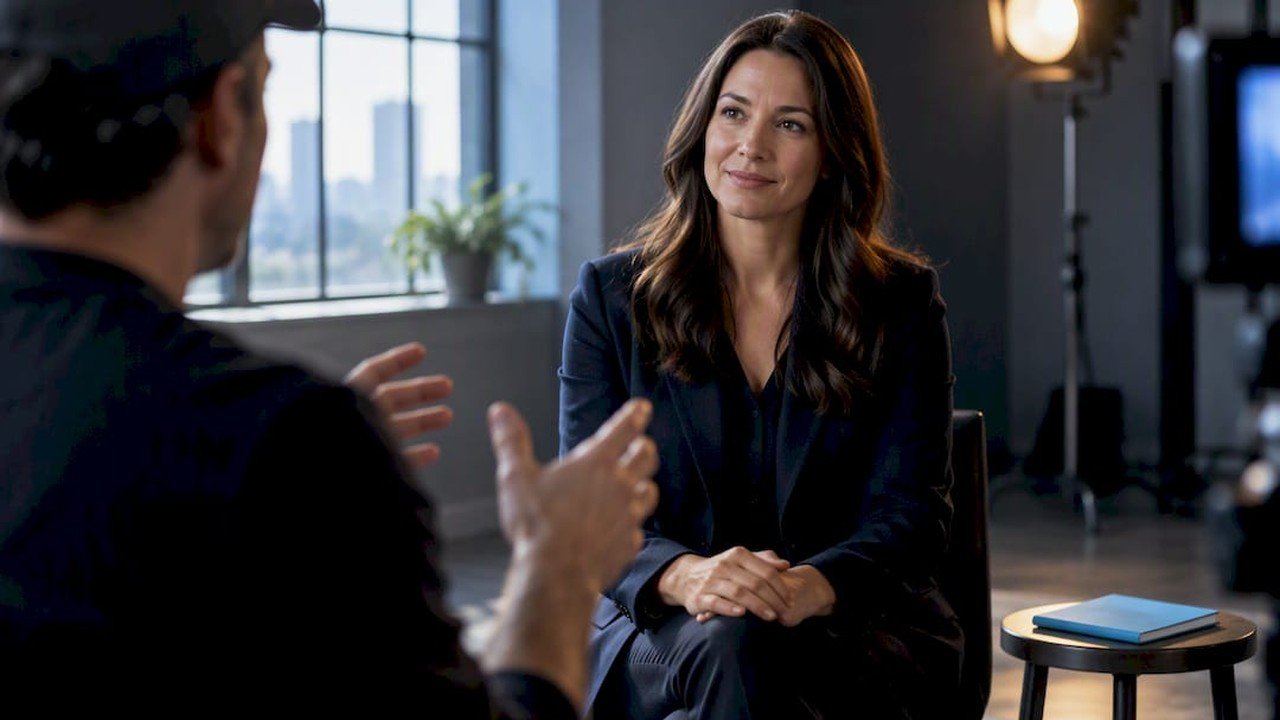

Alex Kinter is a film and commercial director with over 17 years of experience. He has directed for major brands like Hublot, AT&T, and Mercedes-Benz, and has earned recognition and accolades at international film festivals. Alex's unique approach to storytelling will elevate your brand and connect with your audience. Contact us today and book Alex for your next project here.