

The Right Runtime Starts With the Viewer
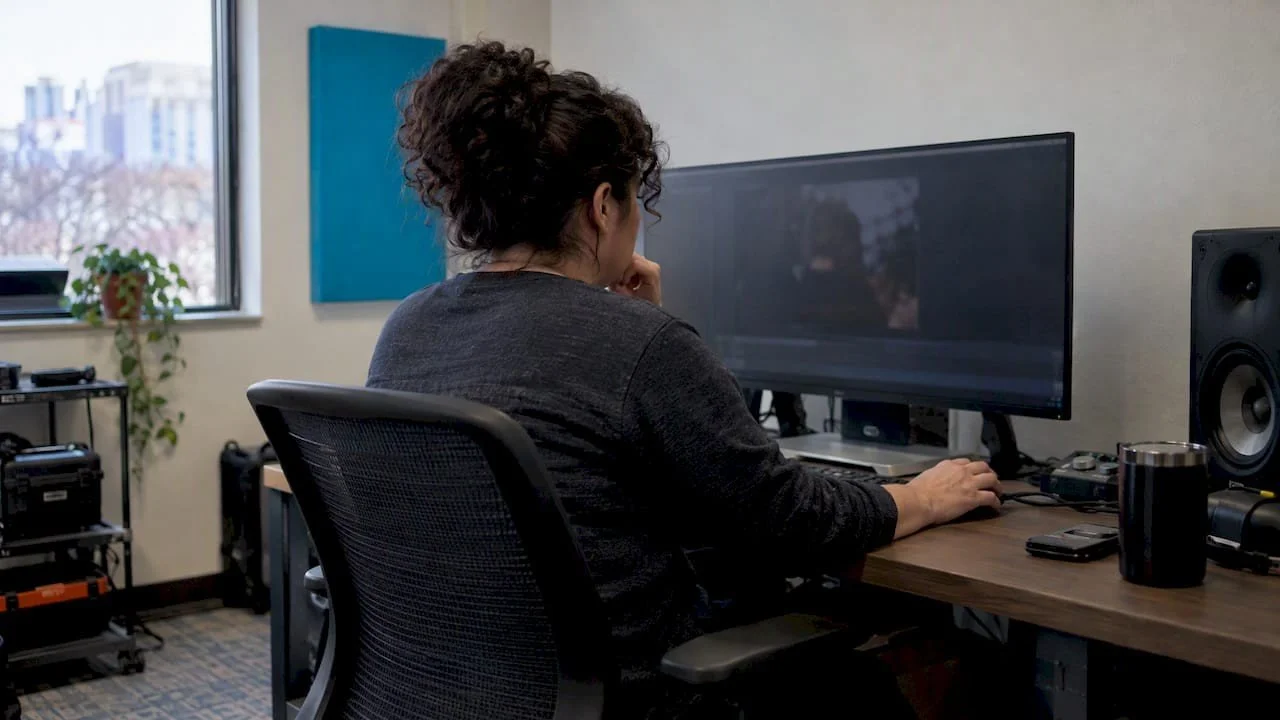
When a marketing lead asks me how long a film should be, I do not begin with a stopwatch. I begin with the viewer’s situation. Is someone discovering the business between meetings, comparing vendors on a laptop, or completing a required training lesson? The answer changes the structure, the pacing, and the amount of detail I build into the edit.
Runtime is not a creative trophy. A longer film is not automatically more persuasive, and a short film is not automatically more effective. The useful question is whether every scene earns its place for the audience and the channel.
Start with the decision the viewer needs to make
A homepage visitor may only need a clear reason to continue exploring. A prospect considering a complex service may need proof, process, and an answer to a specific objection. An employee learning a new procedure needs something searchable and easy to revisit.
I write the intended decision into the brief before I plan coverage. For a recruiting film, that might be “help the right candidate picture a workday here.” For a product demonstration, it might be “show the moment this tool removes friction.” Those are different storytelling assignments, even if both feature interviews and b-roll.
My rule is simple: one primary action per cut. If a piece tries to introduce the brand, teach the product, explain the company history, and recruit employees at once, the runtime becomes a symptom of an unclear message.
Match the edit to the viewing environment
People do not watch the same way on every destination. A social viewer has not necessarily chosen to see the film. A person who clicks a case study has already shown interest. A learner inside an internal portal has a defined reason to stay.
For a feed placement, I make the opening image and first spoken idea work immediately, often without relying on sound. Captions, strong framing, and a visible point of tension matter because the viewer may be holding a phone in a noisy room. I generally treat a short cut as a complete argument, not a trailer for an argument.
On a services page, I can allow more room for context, but I still avoid making the viewer wait for the point. On LinkedIn, a concise perspective can work well for broad awareness, while a more developed opinion may justify a longer native post when the audience already recognizes the subject.
For training, I prefer a library of focused lessons over one uninterrupted recording. A learner can find “resetting the system” or “handling an escalation” without scrubbing through an hour-long file. That structure also makes future updates less painful when one procedure changes.
Build the shoot around useful editorial pieces
Runtime decisions affect my work long before the camera turns on. If I know a project needs a main film, vertical excerpts, and short proof points, I plan interviews for answers that can stand alone. I ask questions that produce complete thoughts rather than fragments that only make sense inside a long conversation.
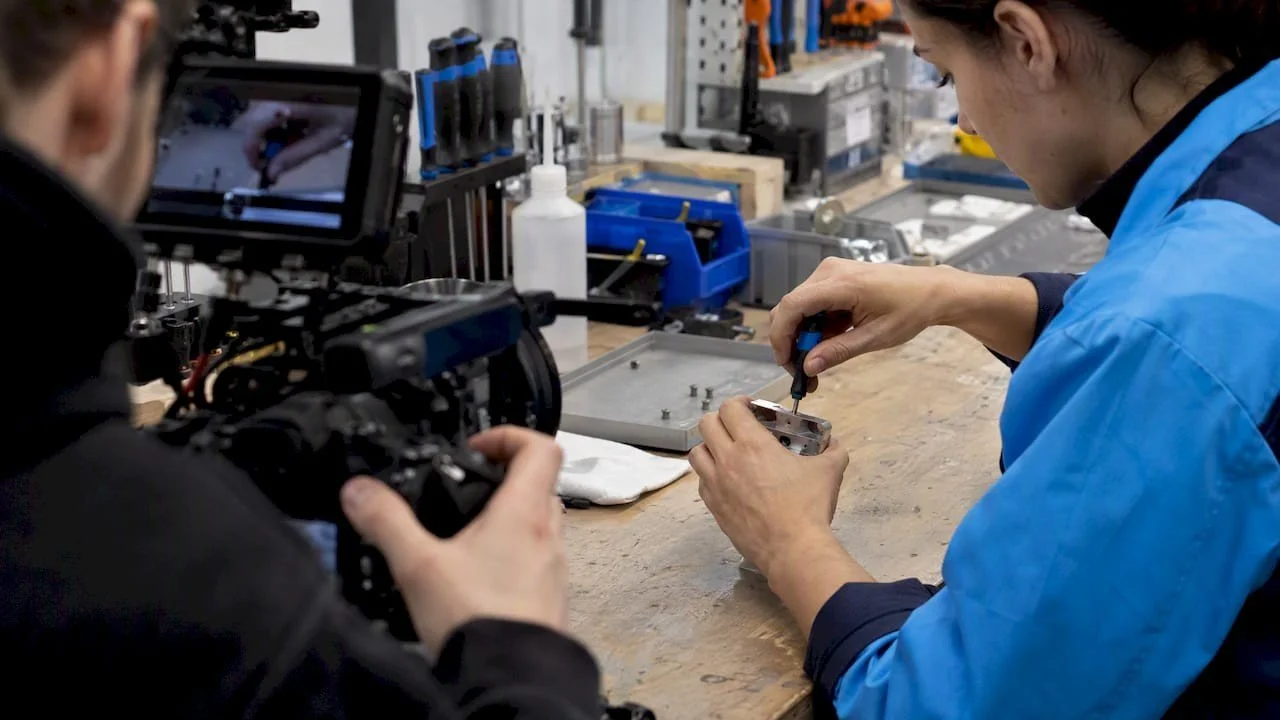
I also look for visual coverage with multiple editorial uses. A wide shot of a technician beginning a task may establish place in the main film, become an opening beat for a short cut, or provide breathing room around a quote. Close details, clean transitions, and moments of real interaction give me options in the edit.
During a commercial shoot, I often capture alternate framing and additional action while the set is already active. That is more efficient than discovering later that a vertical version has no suitable composition or that a short social edit lacks a clean ending.
- Define the primary audience and their reason for watching.
- List every intended destination before filming begins.
- Separate the master story from the short cuts it needs to support.
- Decide whether captions, chapters, transcripts, or alternate aspect ratios are required.
Design openings that respect attention
The first seconds should answer an unspoken question: why should I keep watching? I can open with a consequence, a surprising detail, a direct customer problem, or a strong visual action. I do not need to explain the entire company before creating interest.
For example, if I am directing a film about a logistics operation, I might begin with the moment a delay threatens a delivery rather than a sequence of exterior building shots. If I am filming a workplace culture piece, I might start inside a candid interaction that reveals how people actually solve problems together. The opening should make the subject specific.
Attention is not only about speed. A quiet shot can hold someone when it contains a meaningful question or a clear human detail. I cut filler, not every pause.
Let evidence determine the length
The right runtime becomes easier to judge when the story has a measurable job. A short awareness film should make the next step obvious. A case study should give the viewer enough evidence to believe the result. A demonstration should answer the questions that block action.
I watch for drop-off points during review and listen for confusion in stakeholder feedback. If viewers leave before the proof arrives, the issue may be the opening or the order, not simply the total duration. If they stay through a detailed section, that may be a sign of strong intent rather than permission to add more material everywhere.
Search visibility also benefits from clarity more than arbitrary length. A useful title, accurate page copy, captions, and a transcript help people understand what the film contains. A focused short film can serve a narrow search need better than a long piece that covers everything vaguely.
Plan one shoot for several useful versions
I encourage marketing leads to decide the deliverable family early. The main edit might live on a website, while shorter versions introduce the idea in social feeds, support a sales conversation, or help an executive share a point of view. Each version should have a purpose rather than being a random excerpt.
That planning also protects the approval process. Every additional cut introduces another review decision, so I clarify aspect ratios, caption requirements, graphic treatments, and intended destinations before the edit is underway. A clean plan helps the footage serve the business for longer.
As a Dallas videographer, I see the strongest results when the editorial strategy is settled before the shoot day. As a Dallas cinematographer and director, I can then shape performance, coverage, and pacing toward a defined audience instead of trying to rescue an unfocused brief in post.
Make the runtime earn the next step
The best length is the one that gives the viewer enough confidence to move forward without asking for attention the story has not earned. If you are deciding between a short campaign cut, a detailed customer story, or a modular internal series, I can help you map the audience, channel, shoot plan, and deliverables. Talk with me about your project, or see how I approach commercial directing in Dallas.

Alex Kinter is a film and commercial director with over 17 years of experience. He has directed for major brands like Hublot, AT&T, and Mercedes-Benz, and has earned recognition and accolades at international film festivals. Alex's unique approach to storytelling will elevate your brand and connect with your audience. Contact us today and book Alex for your next project here.